
New report finds early cell phone encryption algorithm was intentionally weakened by design

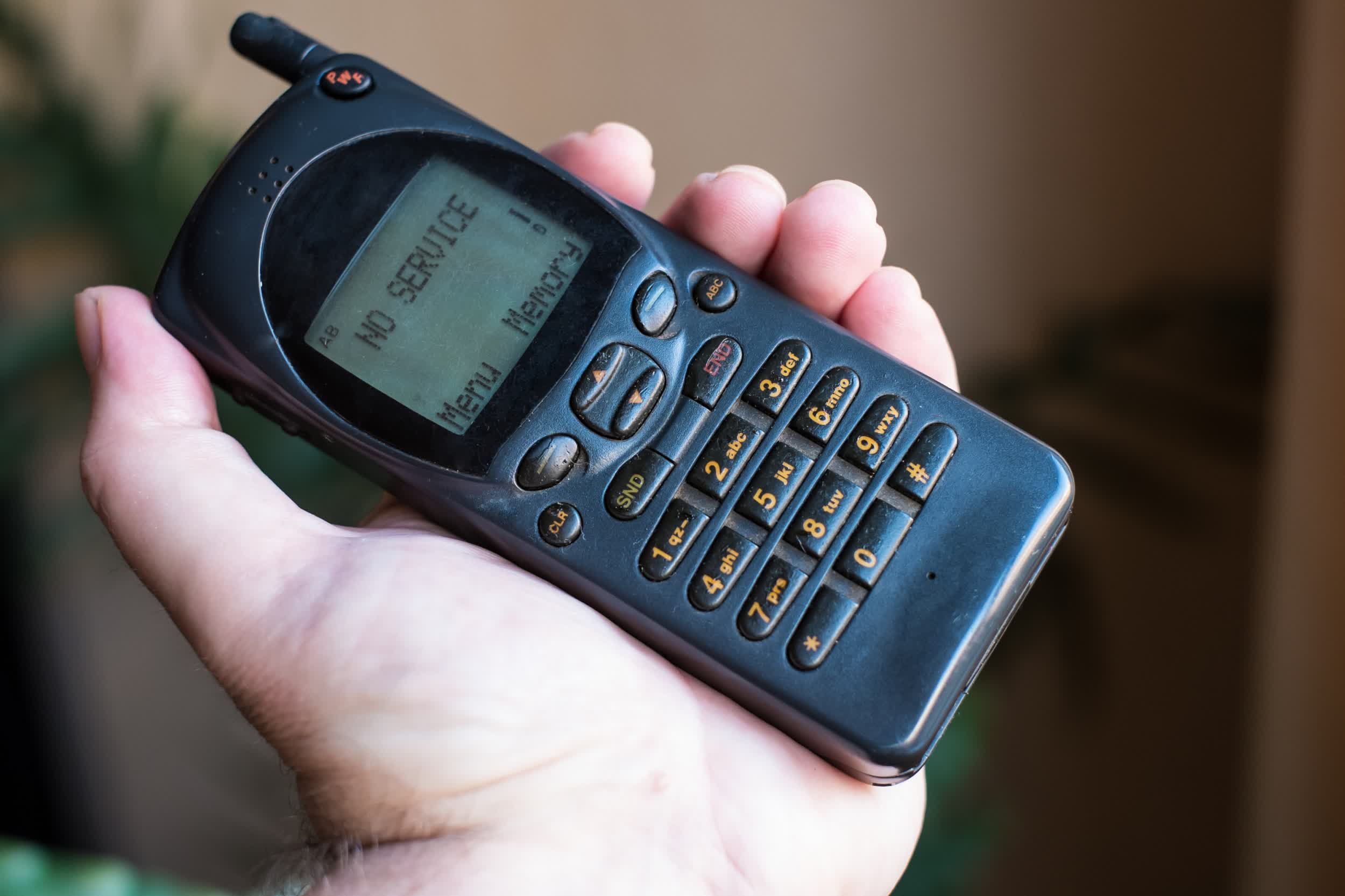
As Vice highlights, GEA-1 was used to encrypt cell phone data primarily in the 1990s and 2000s. The algorithm was originally said to offer full 64-bit security but in their cryptanalysis, the team found that its security was limited to just 40-bit, by design.
https://www.techspot.com/news/90107-new-report-finds-early-cellphone-encryption-algorithm-intentionally.html?utm_source=dlvr.it&utm_medium=blogger
Popular posts from this blog

OpenAI faces ChatGPT probe over data risk issues, damaging reputations

The agency sent a 20-page demand letter to OpenAI for records about how it addresses risks related to its AI models, writes The Washington Post. The Civil Investigative Demand also requests details about the company, its AI model and training, how it deals with privacy and prompt injection attacks, API... Read Entire Article https://www.techspot.com/news/99395-openai-faces-ftc-probe-over-chatgpt-damaging-reputations.html?utm_source=dlvr.it&utm_medium=blogger

Apple's virtual WWDC kicks off today, watch the keynote here

The keynote address starts Monday, June 22 at 1:00pm ET / 10am PT / 6pm BST. You can stream it live here via YouTube or check it out on Apple's website. https://bit.ly/2VbuvXk

Bill Gates says we don't have to worry about AI energy use

Speaking at a London event last week hosted by his Breakthrough Energy venture fund, Gates said, "Let's not go overboard on this." Read Entire Article https://www.techspot.com/news/103617-bill-gates-dont-have-worry-about-ai-energy.html?utm_source=dlvr.it&utm_medium=blogger